
We’re here! Sort of.
One of the hardest parts about this class is that everyone is doing a different assignment. Some RFPs will ask you for a 3-5 page document, while others might ask for 20 pages of research and a host of government forms. How can I keep expectations at least a little fair?
Well, we’ve been talking about the rhetorical moves in grant proposals, and we’re only halfway through the term. So, this assignment is going to ask you to write your solicited proposal, but leave some comments telling me about the moves you’re making and why they’re effective. Wherever you don’t have the time, information or expertise necessary to fill in part of the document, leave a placeholder paragraph explaining what needs to go there to make the document work, then add a comment explaining the rhetorical move behind that chunk of the document.
By the end of the term, I will expect you to fill in all or nearly all of those placeholders, but you don’t need to exhaust yourself doing that right now.
Deliverable
In a Word or Open Office document, please compose the following. Use the Page Break tool to ensure each component starts at the top of the next page.
- A cover page with your name, your project name and a brief description of what you’re asking for support for (2-4 sentences).
- A separate page with your last discussion post (the outline and moves) copied and pasted.
- Your proposal draft, with annotations and placeholders.
- At the very least, annotations must identify your Territory, Gap, Goals and Means.
Annotations
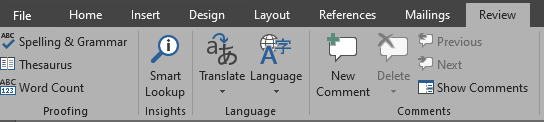
In Word, you can add comments by heading to the Review tab, then clicking New Comment.
Peer Review
By Wednesday April 28, please post your draft to the Solicited Proposal Discussion board as an attachment. By Friday April 30, please respond to two of your peers’ proposals. You should respond to the post directly above and directly below yours. (First and last posters: pick any peer for the above/below post. If you do not submit a document for review, you may pick any two peers to review.)
You will receive 2.5 points each (to a max of 5 points) for reviews that address the following:
- Is the proposal’s project clear, in the proposal draft itself? If not, where could it be improved or what did it seem like the project was?
- Does your peer use each rhetorical move appropriately and effectively? If not, which ones could be improved?
Proposal Grading
As noted on the syllabus, there is a due date but not late penalty on this. Please submit this document by Sunday May 2, or as soon as you are able to. A woefully incomplete proposal is better than nothing! Note that the rubric below is intentionally very forgiving. I’m hoping that you’ll do revisions over the next five weeks.
- Territory: 2 points possible
- Identifying your Territory statement is worth 1 point
- Adequately describing the Territory of your proposal is worth 1 point
- Gap: 2 points possible
- Identifying the Gap your project addresses is worth 1 point
- Situating your Gap within your territory is worth 1 point
- Goal: 2 points possible
- Identifying where your Goal statement happens is worth 1 point
- Having a well-crafted Goal (or placeholder) is worth 1 point
- Means: 3 points possible
- Identifying where your Means statements happen is worth 1 point.
- Clearly explaining (or using a placeholder to indicate what an explanation requires) is worth 2 points
- Formatting: 0.5 points possible
- Formatting your document in such a way that it is easy to read is worth 0.5 points.
- Correctness: 0.5 points possible
- Having no errors or stylistic mistakes the average reader would notice is worth 0.5 points
